Concrete Cutting vs Concrete Removal: Understanding the Difference
For those exploring concrete cutting vs concrete removal, local contractors can help determine the best approach for your project needs.
Understanding the difference between concrete cutting and concrete removal is essential for property owners planning renovation, expansion, or repair projects. Whether you're considering modifying a driveway, creating openings for windows or doors, or removing damaged sections of a concrete slab, knowing which service is appropriate can save time and ensure the work is done correctly. Local contractors specializing in concrete cutting can provide precise, clean cuts that facilitate easier removal or modifications, making the process smoother and more efficient for property owners.
Many property owners in the area explore this topic to better understand the scope of work involved in their projects and to determine the right approach for their specific needs. Concrete cutting services are often used to create clean, accurate openings without extensive demolition, while concrete removal involves taking out larger sections of concrete altogether. Connecting with experienced local service providers can help property owners decide when each service is appropriate and ensure the work aligns with their project goals. Keep reading to learn more about how these services differ and how local experts can assist with your concrete needs.
- Concrete cutting services are needed when precise openings or modifications are required in existing concrete structures, and local contractors use specialized equipment to ensure accuracy. Concrete removal is often necessary for larger demolition projects or when entire sections of concrete need to be replaced, with service providers handling the job efficiently. When planning renovations that involve creating new doorways or windows, local pros recommend concrete cutting to minimize structural impact. For projects involving the removal of old or damaged concrete, local contractors provide safe and effective removal solutions tailored to the scope of the work. Understanding the difference helps homeowners and builders choose the right service, with local experts guiding the appropriate approach for each project.

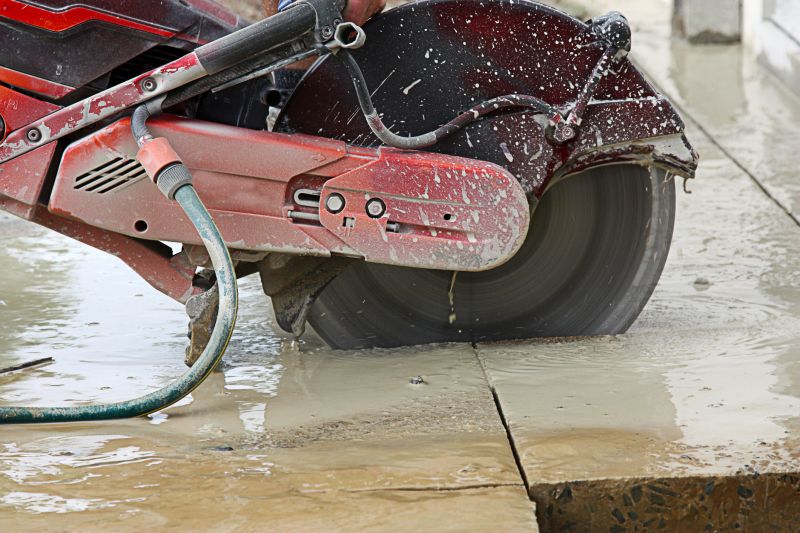
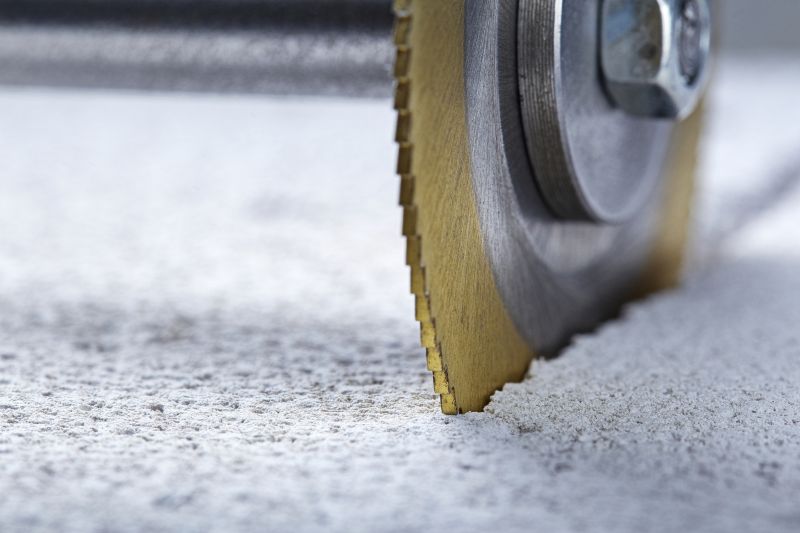
People searching for concrete cutting vs concrete removal: understanding the difference often want to clarify which process is suitable for their specific project. Concrete cutting typically involves making precise cuts into existing concrete surfaces, such as creating openings for doors, windows, or utility lines, or reducing the size of a slab. In contrast, concrete removal refers to the complete or partial demolition of existing concrete structures, often necessary when a surface is damaged, outdated, or no longer serves its purpose. Homeowners may be planning renovations, basement upgrades, or driveway replacements, and understanding whether they need cutting or removal helps them communicate their needs accurately to local service providers.
These terms are commonly associated with projects that involve altering or replacing concrete features on residential or commercial properties. For example, a homeowner might need to cut through a concrete driveway to install a new pipe or remove a section of sidewalk to improve accessibility. Alternatively, a property owner could require the removal of an entire concrete patio or foundation segment due to damage or structural concerns. The distinction matters because each process involves different tools, techniques, and levels of effort. Knowing the difference helps homeowners better plan their projects and ensures they hire the right local contractors with the appropriate skills and equipment.
The types of properties that frequently involve concrete cutting or removal include single-family homes, apartment complexes, commercial buildings, and public facilities. Residential properties often require concrete cutting for home improvements, such as enlarging doorways or installing new utilities. Commercial properties might need larger-scale removal for renovations or expansions, like demolishing old concrete slabs or removing foundation sections. Public infrastructure projects, such as sidewalk repairs or utility upgrades, also rely heavily on these services. Recognizing the property type and project scope helps homeowners identify the specific services needed and guides them toward local contractors experienced in those tasks.
Understanding the difference between concrete cutting and removal is essential for planning effective property upgrades or repairs. Concrete cutting services are ideal when only specific sections of concrete need to be altered or accessed, allowing for precise modifications without disturbing the entire structure. Concrete removal, on the other hand, is necessary when entire sections or structures must be taken out, often as part of larger renovation or demolition projects. Local contractors specializing in these services bring the right equipment and expertise to handle each task efficiently. Homeowners can benefit from connecting with these service providers to ensure their projects are completed correctly, whether they need a clean cut or a full removal of concrete on their property.
Concrete Demolition - involves breaking and removing existing concrete structures, requiring similar tools and planning as concrete removal projects.
Core Drilling - uses specialized equipment to create precise openings in concrete, aligning closely with the skills used in concrete cutting services.
Asphalt Cutting - involves cutting through asphalt surfaces, utilizing comparable equipment and techniques as concrete cutting for various paving projects.
Foundation Penetration - requires precise cutting or drilling into concrete foundations, which depends on similar planning and tools as concrete cutting tasks.
Wall and Floor Cutting - involves creating openings or modifications in concrete walls and floors, often requiring the same expertise as concrete cutting services.
Concrete Grinding and Surface Preparation - involves surface modifications that often accompany concrete removal or cutting projects, utilizing similar equipment and planning skills.
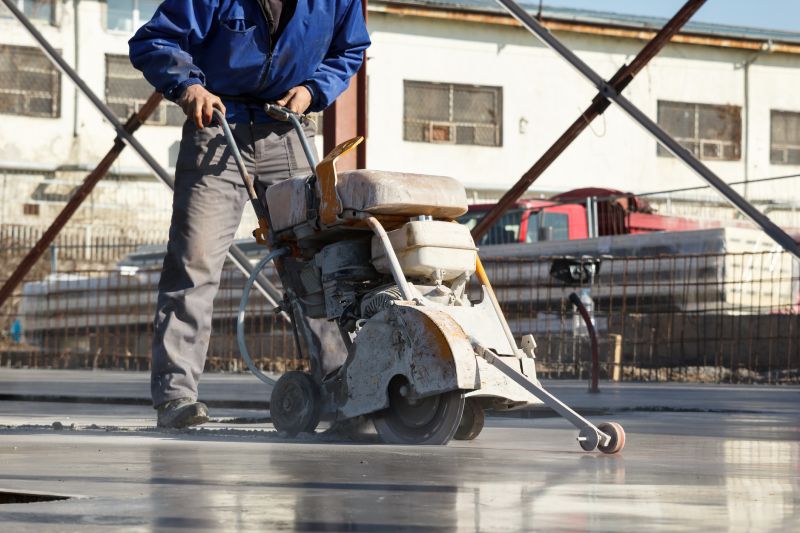
When comparing service providers for concrete cutting or removal projects, it’s important to consider their experience with similar types of work. Contractors who have handled projects comparable to what’s needed can better anticipate potential challenges and deliver results efficiently. Homeowners should inquire about the types of concrete cutting or removal jobs the contractor has completed, ensuring they have relevant experience that aligns with the scope and complexity of the project. This familiarity can contribute to a smoother process and help ensure that the work meets expectations.
Clear, written expectations are essential when evaluating local contractors for concrete services. A detailed scope of work, including specific tasks, materials, and any special considerations, helps prevent misunderstandings and ensures everyone is on the same page. Homeowners should seek service providers who can provide transparent, written descriptions of their proposed approach, so it’s easy to compare offerings and confirm that the contractor understands the project’s requirements. Well-defined expectations support accountability and make it easier to assess whether a contractor’s approach aligns with the project’s needs.
Reputable references and effective communication are vital factors when choosing a service provider for concrete cutting or removal. Contractors with positive references from previous clients demonstrate a track record of reliability and quality work. Homeowners should consider asking for references or reviews to verify a contractor’s reputation. Additionally, good communication-such as responsiveness, clarity, and willingness to answer questions-helps ensure that the project progresses smoothly and that any concerns are addressed promptly. Selecting a contractor who communicates well and has a history of satisfied clients can lead to a more confident and successful project outcome.
Property owners often search for concrete cutting vs concrete removal: understanding the difference when they are planning practical projects around their homes and businesses. Local pros provide Concrete Cutting services for everyday jobs and straightforward project options.
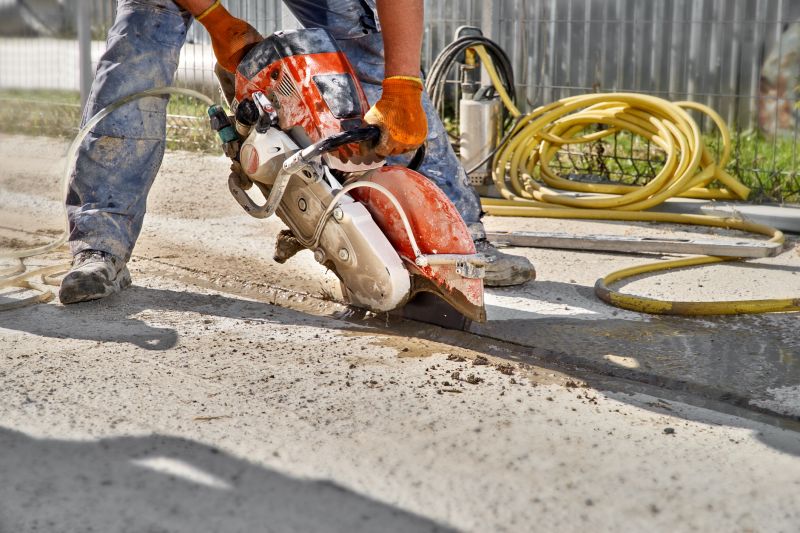
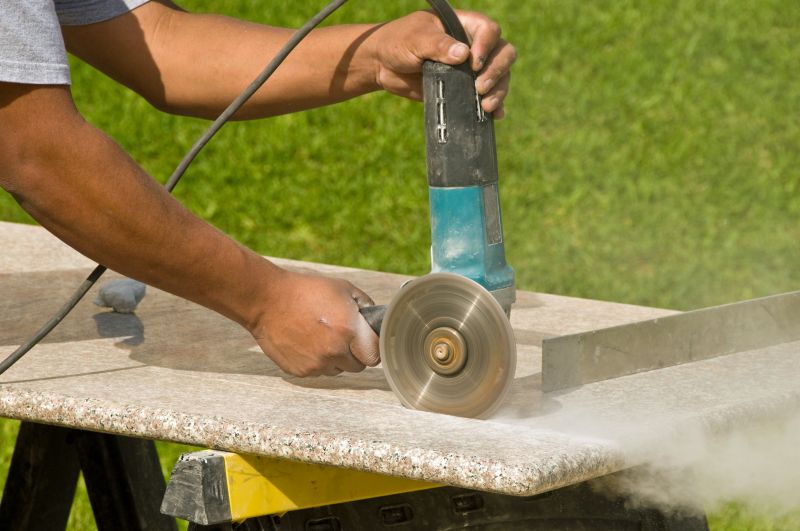
Understanding the difference between concrete cutting and concrete removal is essential for property owners planning renovation, repair, or remodeling projects. Concrete cutting typically involves making precise cuts into existing concrete surfaces, such as creating openings for doors, windows, or utility lines, without removing large sections. This process is often used for modifications or adjustments that require minimal disruption to the surrounding structure. On the other hand, concrete removal involves taking out entire sections or slabs of concrete, which may be necessary for major renovations, foundation repairs, or preparing a site for new construction. Knowing which service is appropriate can help property owners make informed decisions when working with local contractors.
For those considering concrete work, local service providers that specialize in concrete cutting can assist with making clean, accurate cuts that are vital for successful modifications. These professionals understand the specific techniques needed to handle different types of concrete and project requirements. If removal is needed, experienced contractors can also manage the safe and efficient extraction of existing concrete, ensuring the site is ready for the next phase of construction or renovation. Connecting with local experts can simplify the process and ensure the right techniques are used for each project, whether it involves cutting or removal.
What is the main difference between concrete cutting and concrete removal? Concrete cutting involves making precise cuts or openings in existing concrete, while concrete removal entails taking out entire sections or slabs of concrete. Local contractors can help determine which method is appropriate for specific projects.
When should I consider concrete cutting instead of removal? Concrete cutting is suitable when only a portion of the concrete needs to be altered, such as creating doorways or utility openings, whereas removal is necessary for complete demolition or replacement. Local service providers can advise on the best approach for your needs.
Can concrete cutting be used for modifications without damaging surrounding areas? Yes, concrete cutting is designed to make precise cuts that minimize impact on adjacent structures. Experienced local pros use specialized tools to ensure accuracy and safety during the process.
Is concrete removal more invasive than concrete cutting? Generally, yes. Concrete removal involves breaking apart and hauling away large sections of concrete, making it more disruptive than cutting, which typically involves smaller, controlled incisions. Local contractors can assess the scope of work to determine the most suitable method.
How do local contractors decide whether to cut or remove concrete? They evaluate factors like the project’s goals, the condition of the existing concrete, and the desired outcome to recommend the most effective and efficient method for each situation. Consulting with local pros ensures the right approach is chosen.
Choosing the right method for opening up space - property owners can rely on local contractors to determine whether concrete cutting or removal best suits their project needs.
Creating precise access points in concrete surfaces - local pros can provide specialized cutting services to make accurate cuts for doorways, windows, or utility access.
Removing damaged or outdated concrete sections - property owners can work with local contractors to efficiently remove large or broken concrete areas safely.
Modifying existing concrete structures - local pros can handle both cutting and removal tasks to help update or repurpose concrete features effectively.
If you are thinking about concrete cutting vs concrete removal: understanding the difference for a property, this guide is meant to help you understand this topic, the typical project types, and how different options might fit your plans.
When you are ready, you can use the quote form on this page to share a few details about your project. From there, local pros can review the basics and follow up with options that match what you have in mind.