Optimal Timing for Concrete Coring
Concrete corings are most effective when performed under specific conditions that ensure safety, accuracy, and durability. Timing considerations include weather, concrete curing stages, and project timelines. Proper planning can prevent issues such as cracking, spalling, or compromised structural integrity.
Corings should be scheduled during dry weather with moderate temperatures to avoid the effects of moisture and temperature fluctuations on concrete stability.
Perform coring after the concrete has fully cured, typically 28 days post-placement, to ensure the material has reached sufficient strength.
Coordinate coring activities with construction timelines to minimize disruptions and ensure structural requirements are met.
Extreme heat or cold can affect the integrity of coring operations; scheduling during milder conditions is recommended.
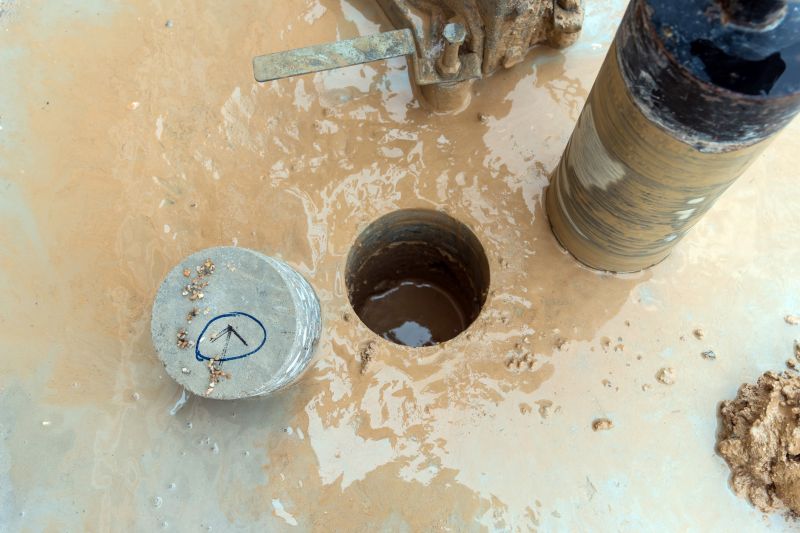
High-precision tools used for accurate coring on various concrete structures.
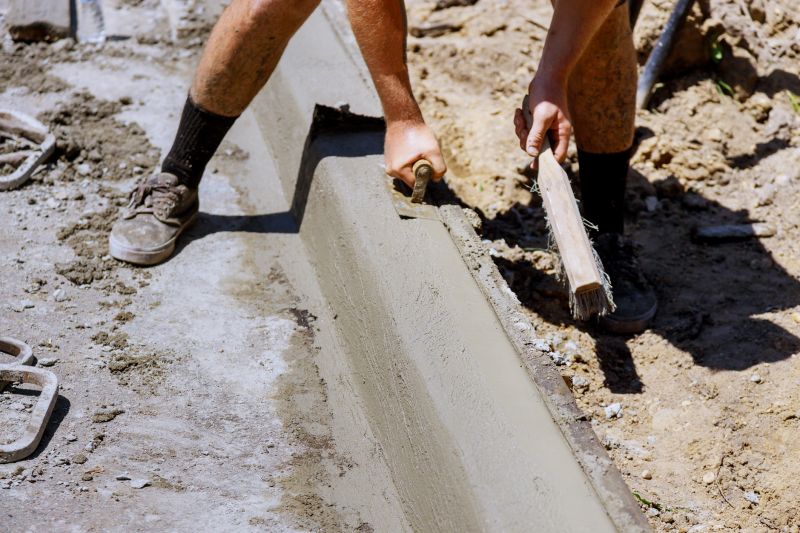
Planning and coordination for optimal timing and minimal disruption.
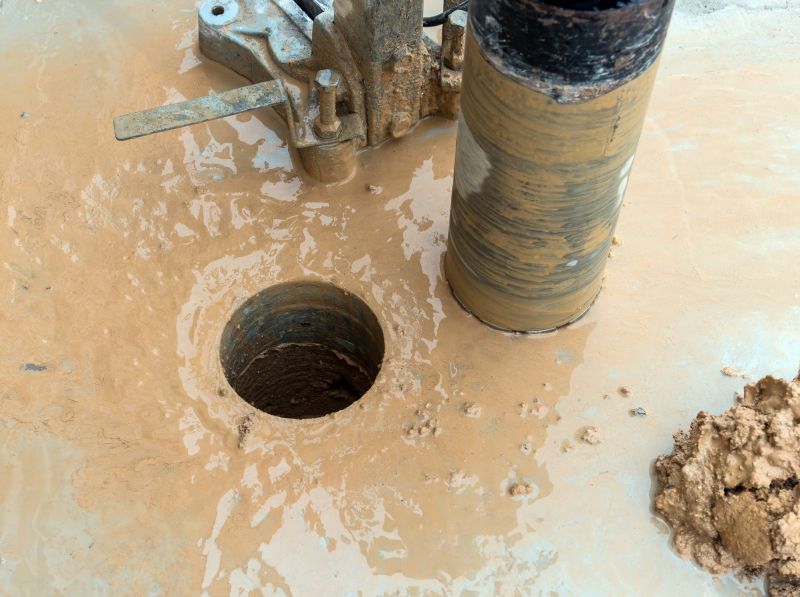
Team performing coring with safety and precision.
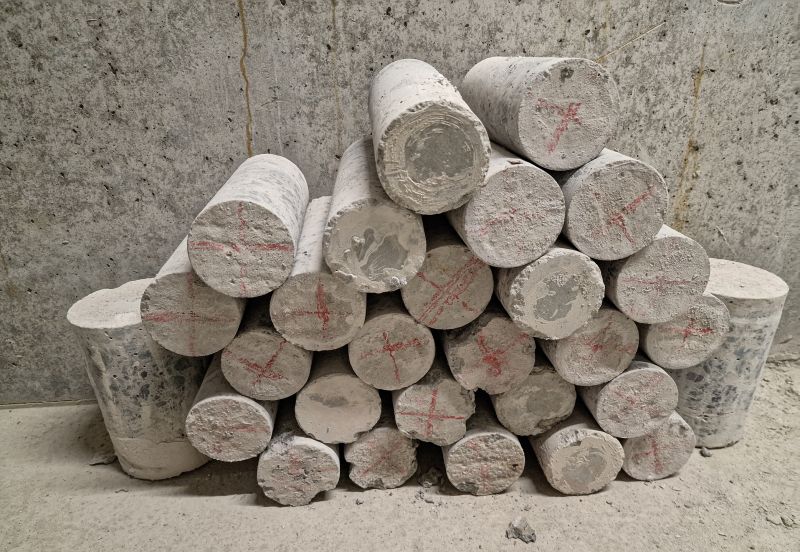
Ways to make Concrete Corings work in tight or awkward layouts.
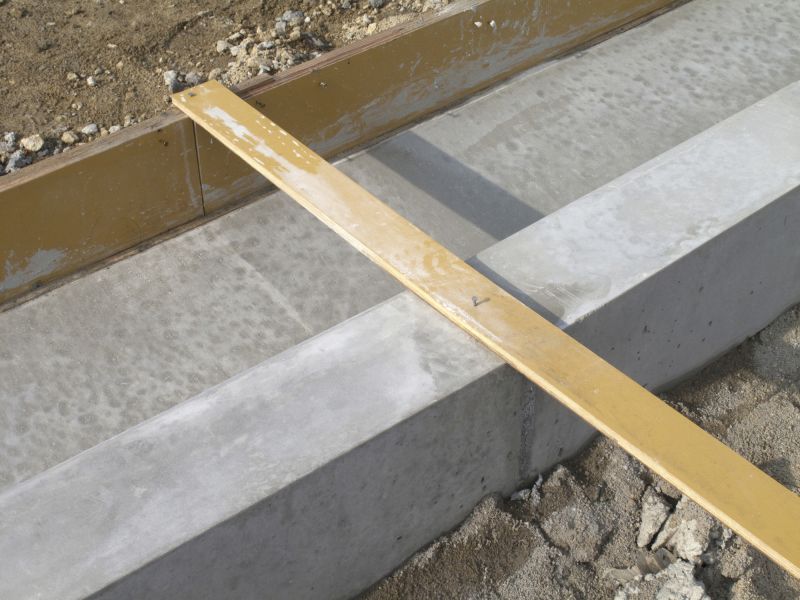
Popular materials for Concrete Corings and why they hold up over time.
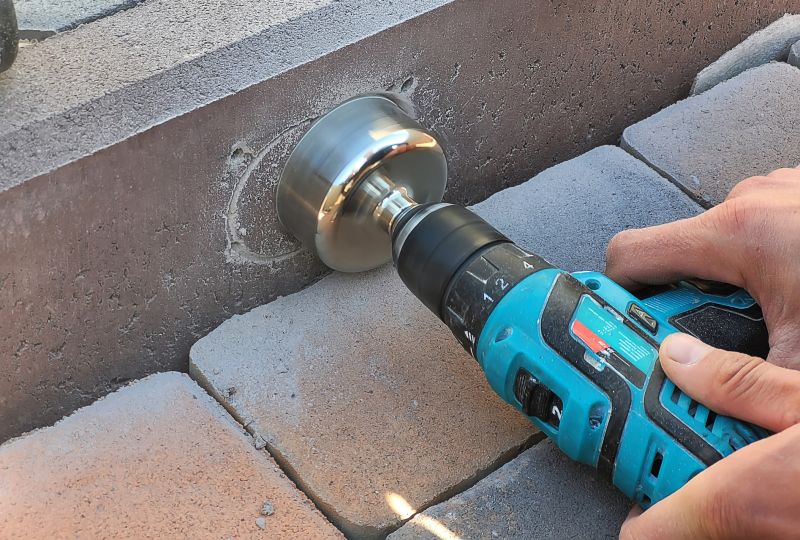
Simple add-ons that improve Concrete Corings without blowing the budget.
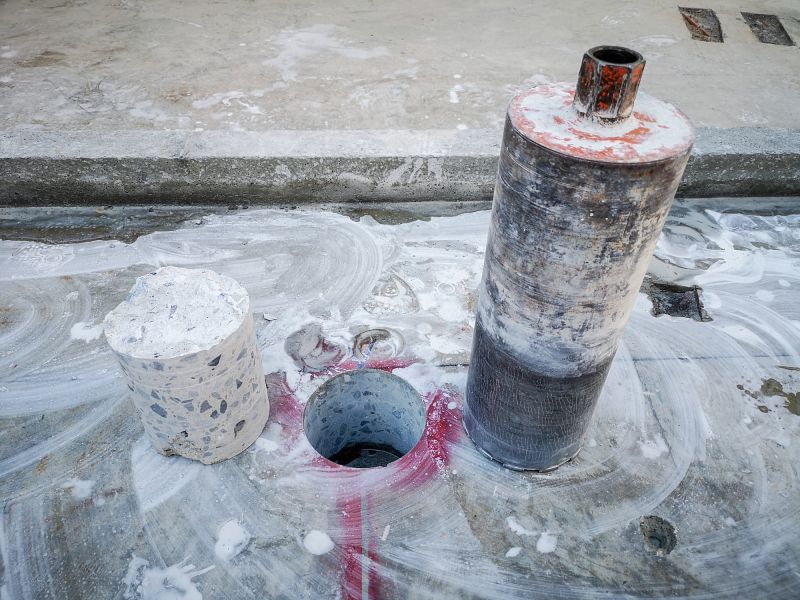
High-end options that actually feel worth it for Concrete Corings.
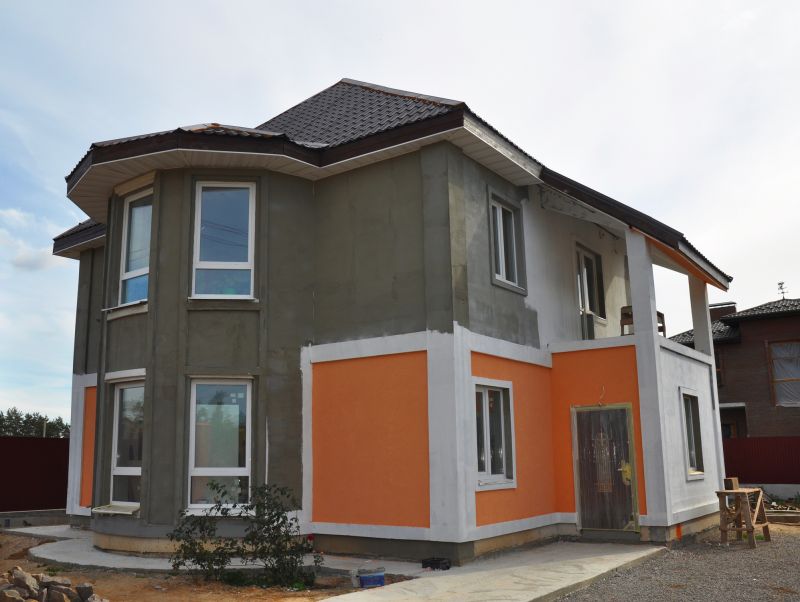
Finishes and colors that play nicely with Concrete Corings.
| Factor | Ideal Conditions |
|---|---|
| Weather | Dry, moderate temperatures |
| Concrete Cure Stage | At least 28 days after placement |
| Temperature Range | 50°F to 85°F (10°C to 29°C) |
| Humidity | Moderate humidity levels |
| Project Timing | Align with construction schedule |
| Structural Load | Ensure load stability during coring |
| Avoid | Extreme cold or heat, rainy days |
| Preparation Time | Adequate planning before coring |
Concrete corings are essential for creating openings, testing, and evaluating the integrity of concrete structures. They are used in various applications, including installing pipes, electrical conduits, and structural assessments. Proper timing ensures the coring process does not compromise structural strength or cause unnecessary damage. Advanced coring techniques and equipment allow for precise cuts with minimal impact on the surrounding material, making it a reliable method for both new and existing structures.
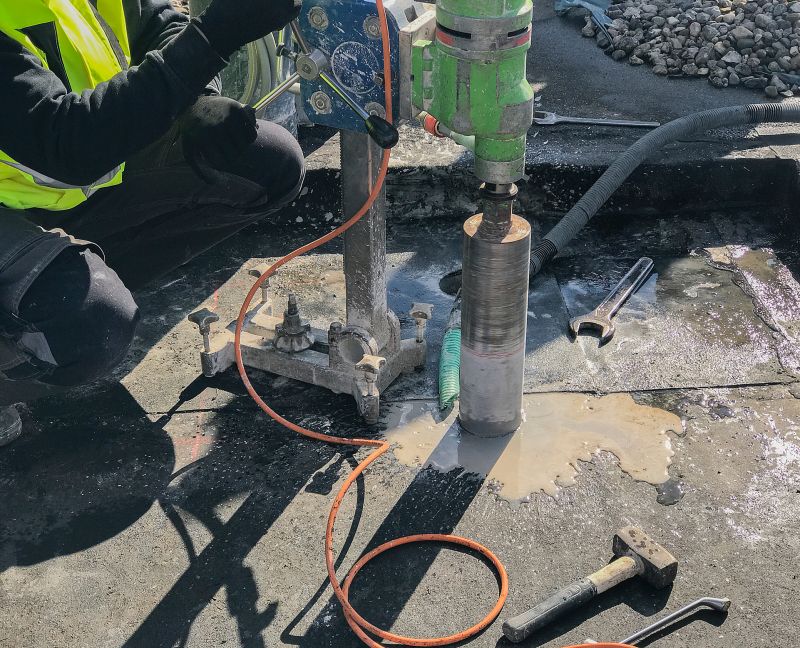
High-quality drill bits designed for precise concrete coring.
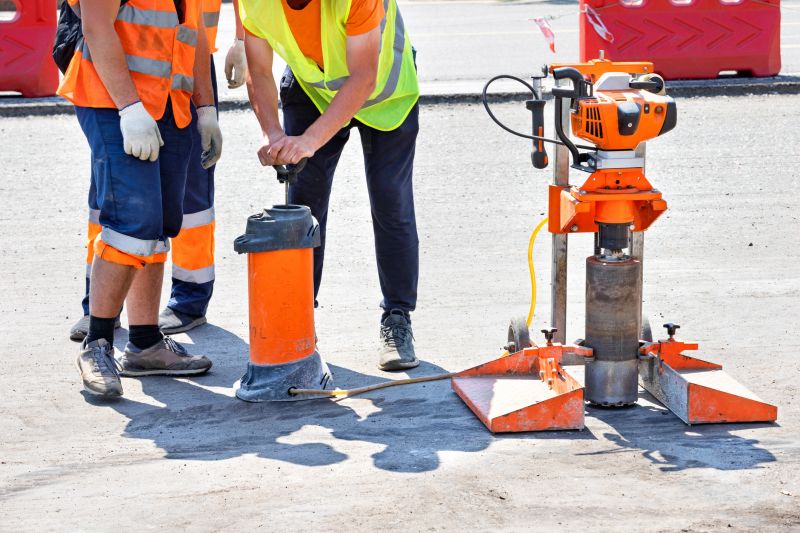
Operators performing coring with safety gear.
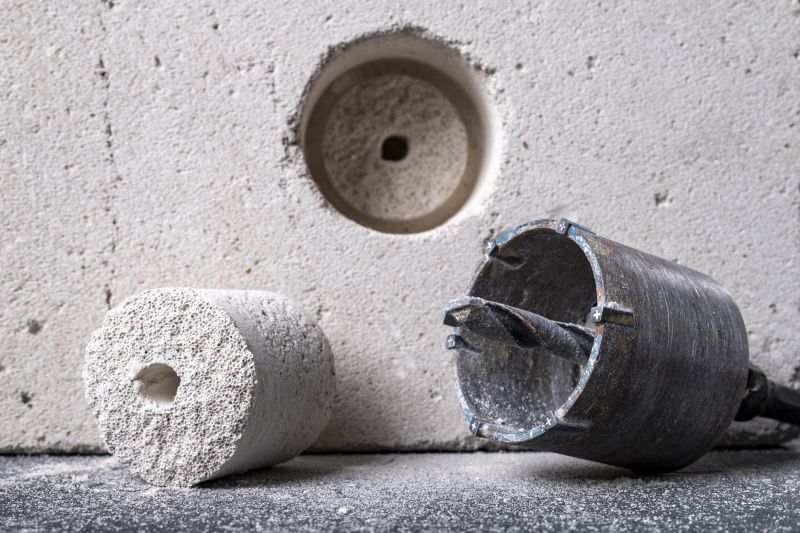
Clean, accurate cut ready for installation or testing.
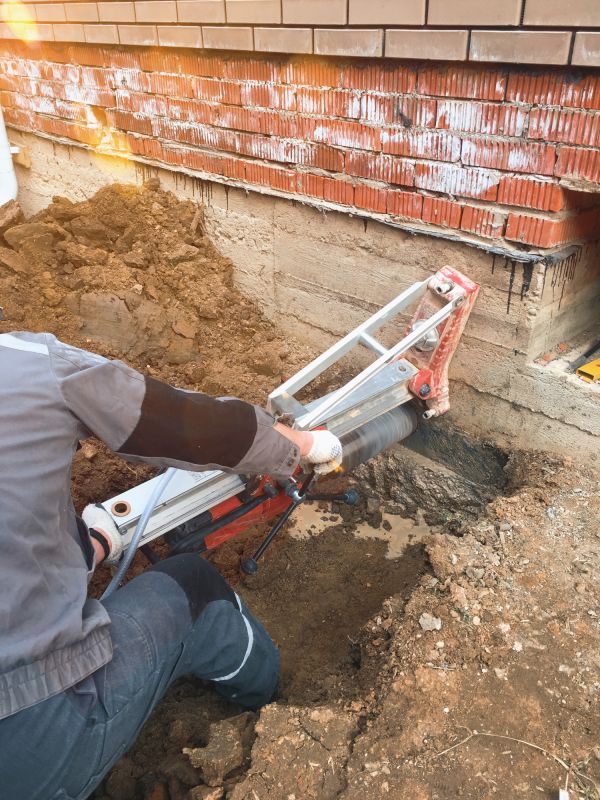
Preparing the surface for coring to ensure safety and accuracy.

Little measurements that prevent headaches on Concrete Corings day.
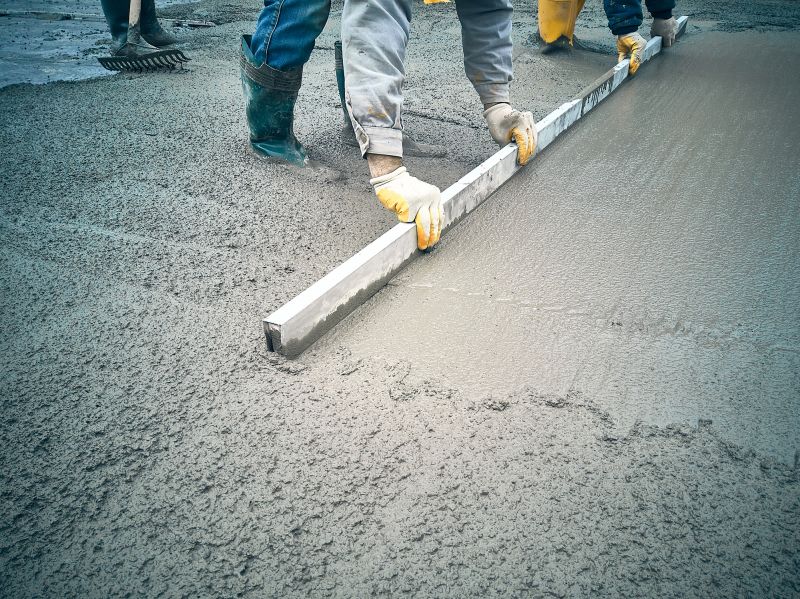
A 60-second routine that keeps Concrete Corings looking new.
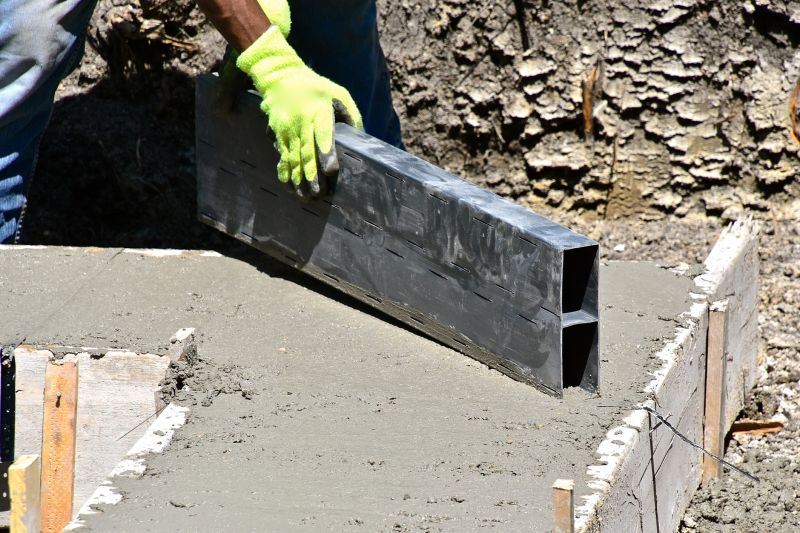
A frequent mistake in Concrete Corings and how to dodge it.
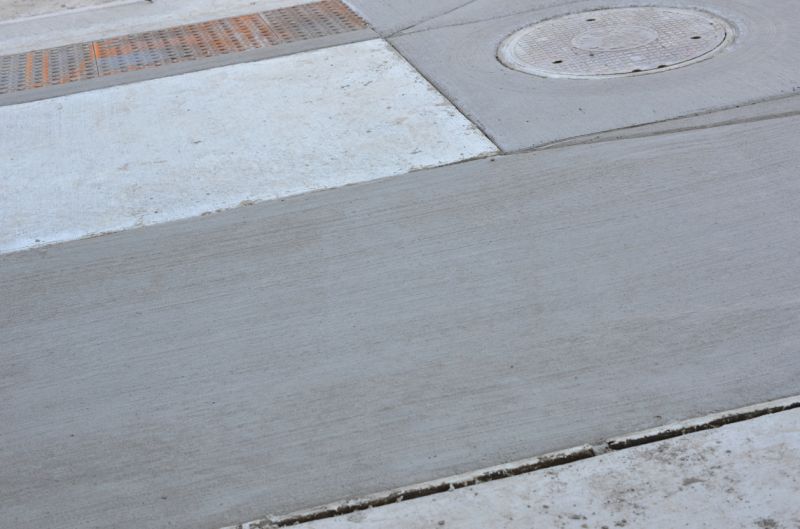
Small tweaks to make Concrete Corings safer and easier to use.
Interested parties are encouraged to contact for further details or to schedule coring services. Proper timing and preparation are crucial to achieving optimal results and maintaining the integrity of concrete structures.